How to Maintain Hardwood Floors
How to Maintain Hardwood Floors
Hardwood floors are one of the most desirable features in any home, adding warmth, elegance, and resale value. But keeping those floors looking their best requires more than an occasional sweep. Homeowners searching for how to clean hardwood floors, the best way to maintain hardwood floors, or hardwood floor care tips will find everything they need in this guide from Tally Alley Southern Carpets, covering how to protect that investment for decades to come.
Tally Alley Southern Carpets is a trusted flooring resource for homeowners in Nash, Texas and the surrounding area, offering a full range of flooring solutions including carpet, hardwood, vinyl, and tile. With deep product expertise and a customer-centered approach, the team guides homeowners toward the right materials and care practices so every floor stays beautiful and functional for years to come.
Why Proper Hardwood Floor Maintenance Matters
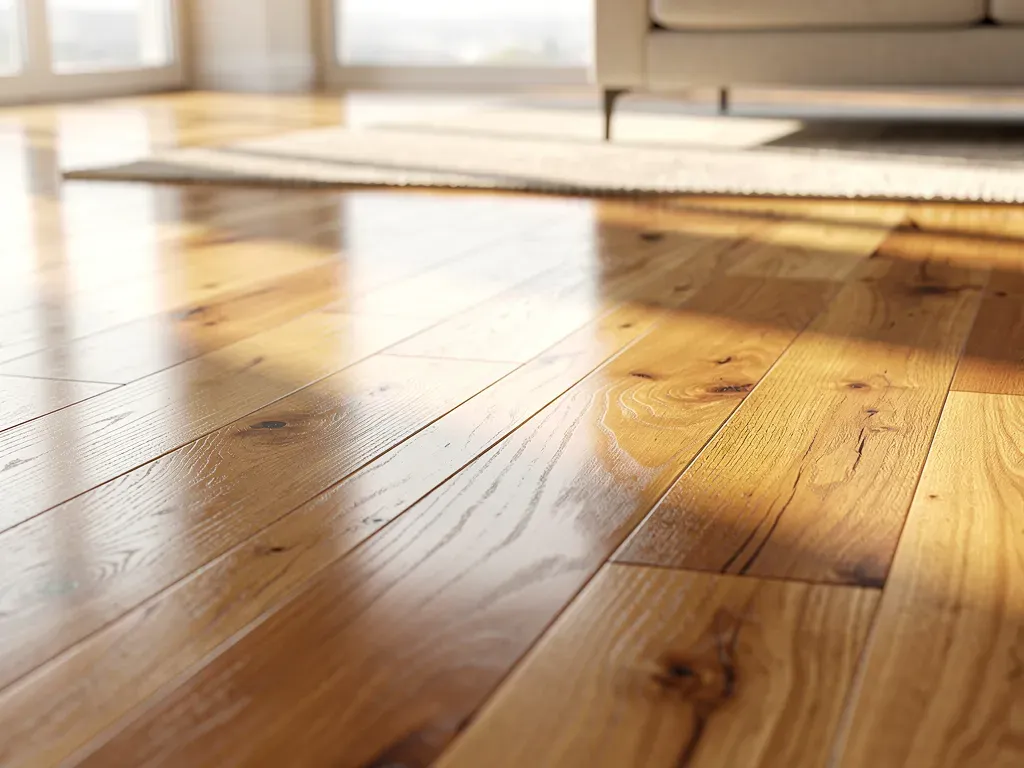
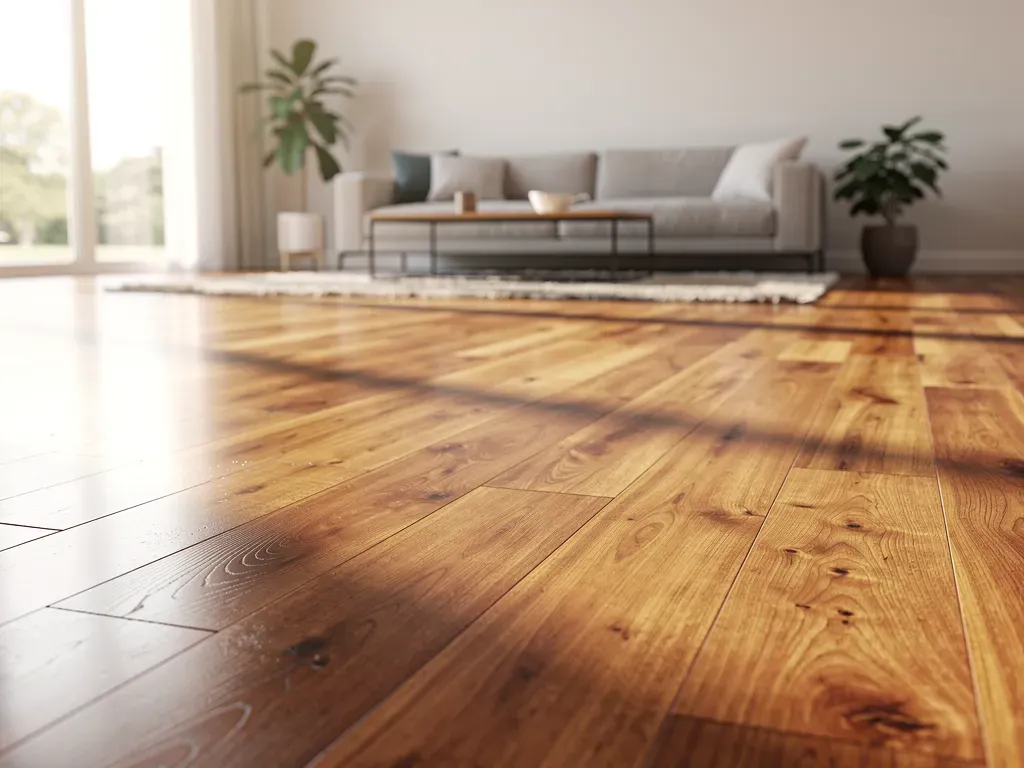
Hardwood floors can last 25 to 100 years when cared for correctly, but the wrong cleaning products or neglecting routine maintenance can dull the finish, cause scratches, or even lead to costly water damage. Understanding how to clean hardwood floors without damaging them is essential, whether the floor is solid oak, engineered hardwood, or newly refinished.
Beyond appearances, consistent maintenance protects the underlying structure of the wood itself. Grit left to grind into the finish, moisture allowed to sit too long, or harsh products used out of convenience can all shorten a floor's lifespan well before its time. A thoughtful care routine, paired with the right products for the floor's specific finish, helps homeowners avoid premature refinishing and preserves both the look and the value hardwood adds to a home.
Daily and Weekly Hardwood Floor Cleaning Tips
1. Sweep or Dust Mop Daily
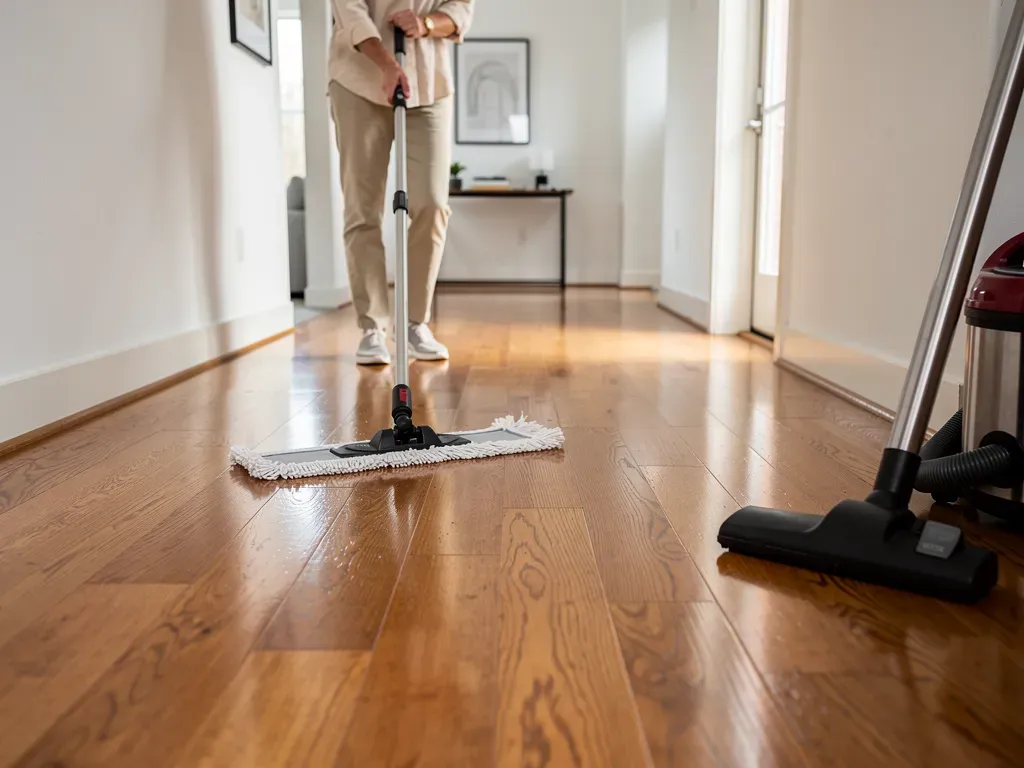
The single most effective habit for hardwood floor maintenance is daily dust mopping or sweeping. Dirt, grit, and sand act like sandpaper, grinding into the finish every time someone walks across the floor. A microfiber dust mop traps these particles without scratching the surface, making it one of the best tools for hardwood floor upkeep.
2. Vacuum Weekly (With the Right Attachment)
Vacuuming is a great way to pull dust and debris out of corners and along baseboards. However, always use a vacuum with a hardwood floor attachment or turn off the beater bar. Standard vacuum brushes designed for carpet can scratch and dull hardwood finishes over time.
3. Damp Mop — Never Soak
One of the most common questions homeowners ask is "can you mop hardwood floors?" The answer is yes, but with caution. Hardwood and water are not friends. Excess moisture can seep into seams and cause warping, cupping, or discoloration. Use a well-wrung microfiber mop, slightly damp, and always dry the floor immediately afterward with a soft towel.
Choosing the Best Hardwood Floor Cleaner
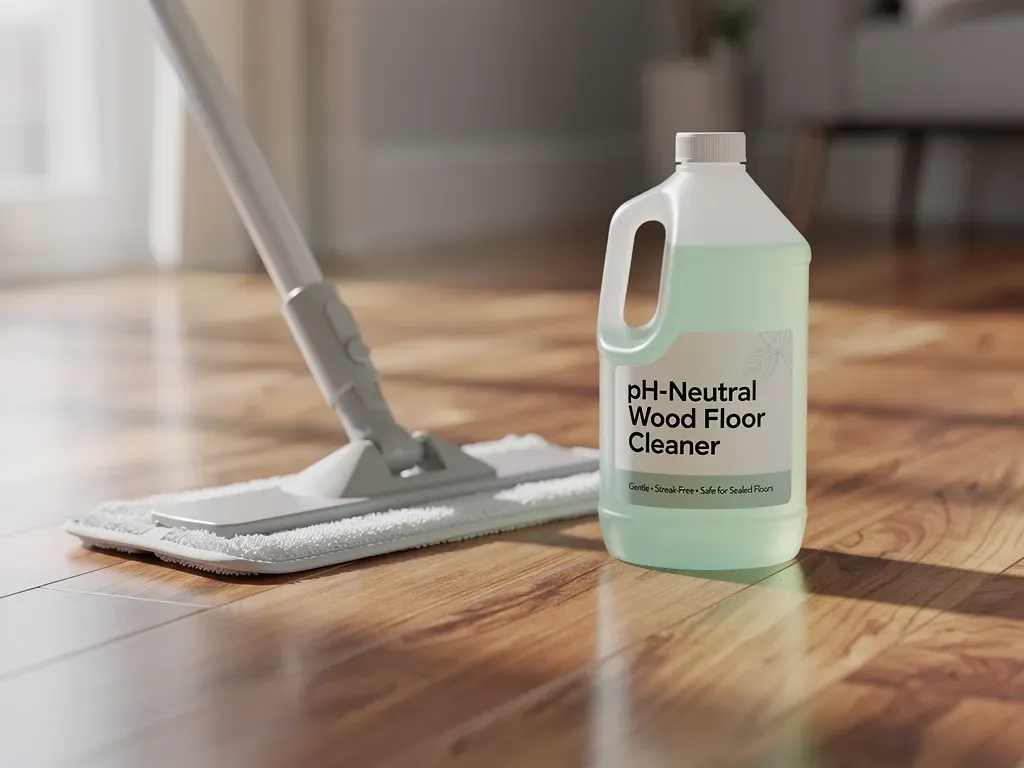
Not all cleaning products are safe for wood floors. When researching the best hardwood floor cleaner, look for pH-neutral, wood-specific formulas rather than all-purpose cleaners. Avoid:
- Vinegar and water solutions — while popular in DIY tips, the acidity can break down polyurethane finishes over time.
- Ammonia-based cleaners — these can strip wax and dull the shine.
- Oil soaps — these leave residue that dulls finish and attracts more dirt.
- Steam mops — the heat and moisture can severely damage hardwood over time.
Instead, opt for a cleaner specifically labeled safe for your floor's finish type (polyurethane, wax, or oil-based). Always test a new product in an inconspicuous area first.
How to Remove Stains and Spills from Hardwood Floors
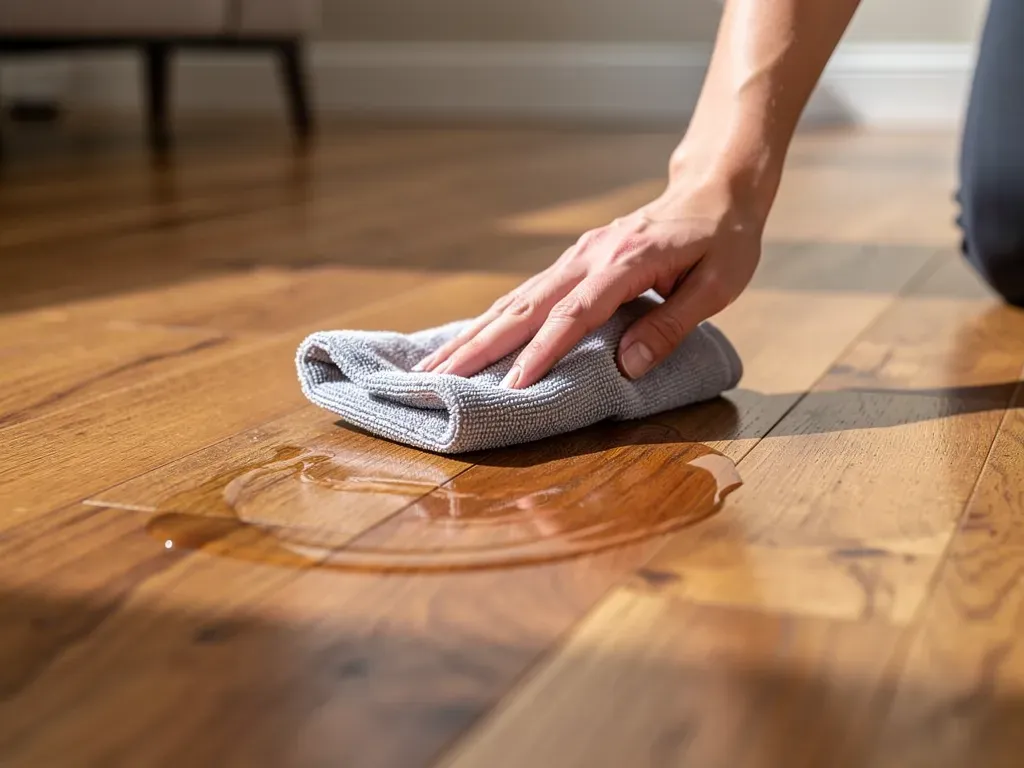
Spills happen, and knowing how to clean spills on hardwood floors quickly can prevent permanent damage.
- Wipe spills immediately: Standing liquid is the number one cause of hardwood floor damage.
- For sticky residue (juice, syrup), use a barely damp cloth with a hardwood-safe cleaner.
- For grease or oil stains, a small amount of dish soap diluted in water can help break it down — dry thoroughly afterward.
- For white marks or water rings, a mixture of baking soda and a soft cloth can gently buff out the mark without damaging the finish.
Preventative Care: Protecting Hardwood Floors from Damage
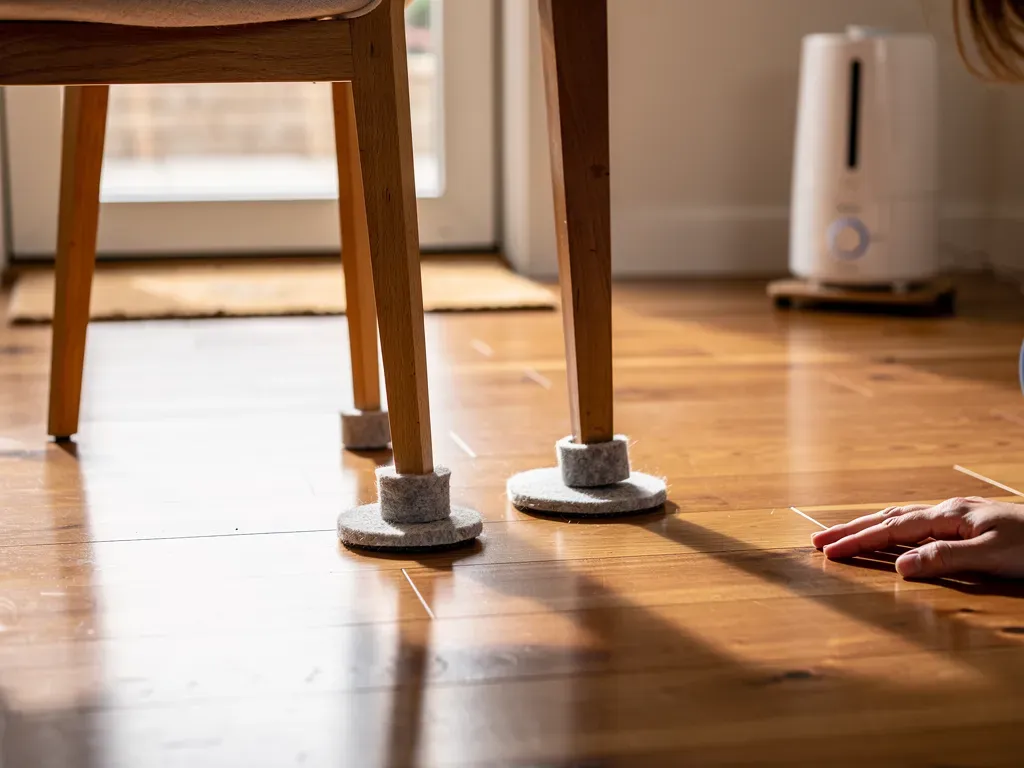
Cleaning is only half the equation. Preventative hardwood floor maintenance extends the life of a floor and reduces how often deep cleaning is needed.
Use Furniture Pads
Attach felt pads to the legs of chairs, tables, and sofas to prevent scratches when furniture is moved.
Manage Sunlight Exposure
UV rays can fade and discolor hardwood over time. Use curtains, blinds, or UV-protective window film in rooms with heavy direct sunlight, and rotate rugs periodically to prevent uneven fading.
Control Humidity Levels
Wood naturally expands and contracts with humidity changes. Keeping indoor humidity between 35% and 55% using a humidifier or dehumidifier helps prevent gaps, cupping, or cracking. This is a key part of long-term hardwood floor care.
Trim Pet Nails and Use Mats
Pet nails can leave fine scratches over time. Keep nails trimmed and place mats at entryways and high-traffic zones to catch dirt and moisture before it reaches the wood.
Establish a No-Shoes Policy
Shoes, especially high heels or cleats, track in grit and can dent or scratch floors. Encouraging a shoes-off policy is a simple, effective way to protect this investment.
How Often Should You Refinish Hardwood Floors?
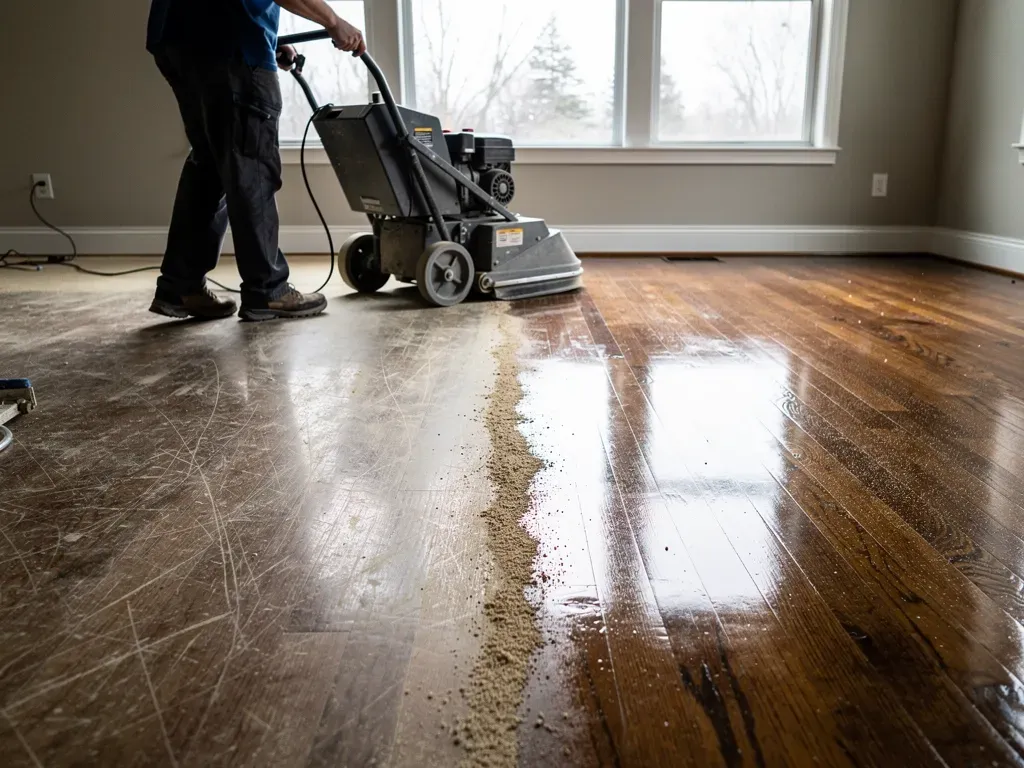
Even with excellent care, hardwood floors will eventually show wear. Most homeowners ask "how often should hardwood floors be refinished?" The general answer is every 7 to 10 years for high-traffic areas, though floors with a durable finish and light use can go longer. Signs it's time to refinish include:
- Visible scratches or gouges that catching a fingernail
- Graying or dulling that cleaning doesn't fix
- Water damage or discoloration
- Gaps between boards
Between full refinishing jobs, a recoat (screening and applying a new topcoat without sanding to bare wood) can restore shine and protection at a fraction of the cost.
Seasonal Hardwood Floor Maintenance Checklist
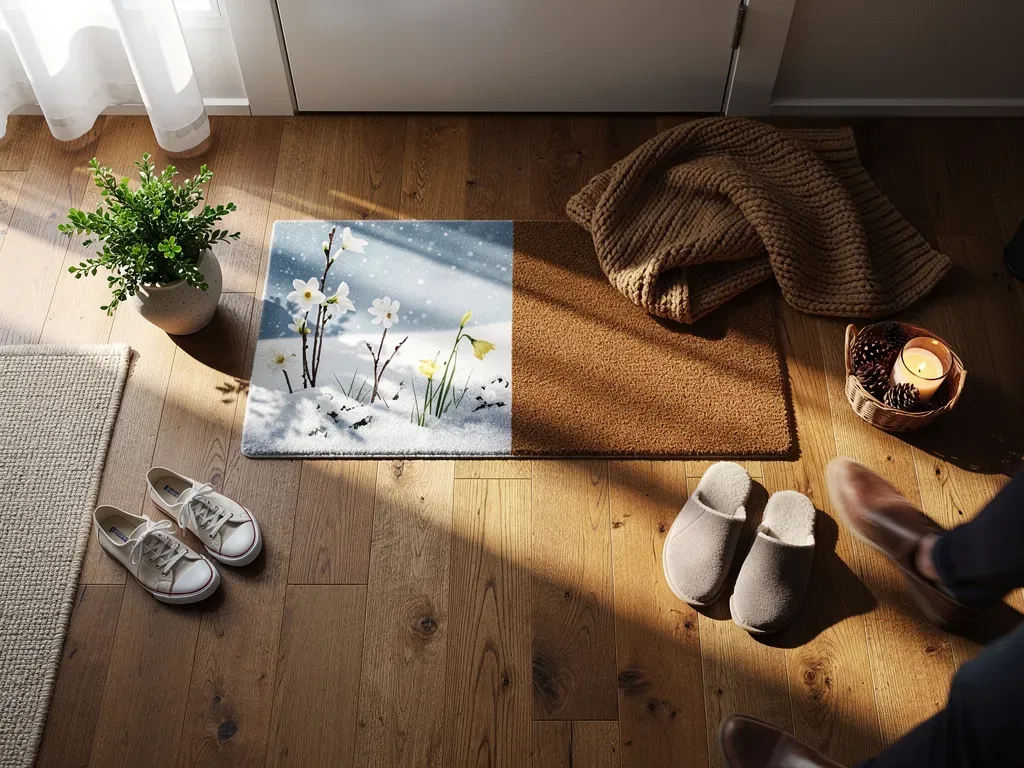
- Spring: Deep clean, check for winter salt or moisture damage, recoat if needed.
- Summer: Monitor humidity, manage sun exposure, wipe up condensation from cold drinks.
- Fall: Prepare for wetter weather with door mats, inspect for scratches before holiday guests arrive.
- Winter: Watch humidity levels with heating systems running, promptly clean up snow and salt tracked indoors.
Frequently Asked Questions
How often should hardwood floors be cleaned?
Hardwood floors benefit from daily dust mopping or sweeping to remove grit before it scratches the finish, plus a weekly vacuum with a hardwood-safe attachment and an occasional damp mop (never soaked) for a deeper clean.
What is the best way to clean hardwood floors without damaging them?
Use a microfiber dust mop or soft-bristle vacuum attachment for everyday dirt, and a pH-neutral, wood-specific cleaner for deeper cleaning. Avoid vinegar solutions, ammonia-based products, oil soaps, and steam mops, all of which can strip or damage the finish over time.
Can you mop hardwood floors with water?
Yes, but only with a well-wrung, slightly damp microfiber mop, never a soaking wet one. Standing water or excess moisture can seep into seams and cause warping, cupping, or discoloration, so the floor should be dried immediately with a soft towel after mopping.
How often should hardwood floors be refinished?
Most hardwood floors need refinishing every 7 to 10 years in high-traffic areas, though floors with a durable finish and lighter use can go longer. Watch for visible scratches, graying or dulling, water damage, or gaps between boards as signs it's time.
What household habits help protect hardwood floors long term?
Using felt furniture pads, managing sunlight exposure, keeping indoor humidity between 35% and 55%, trimming pet nails, placing mats at entryways, and encouraging a no-shoes policy all help prevent scratches, fading, and moisture damage between cleanings.
Final Thoughts on Hardwood Floor Care
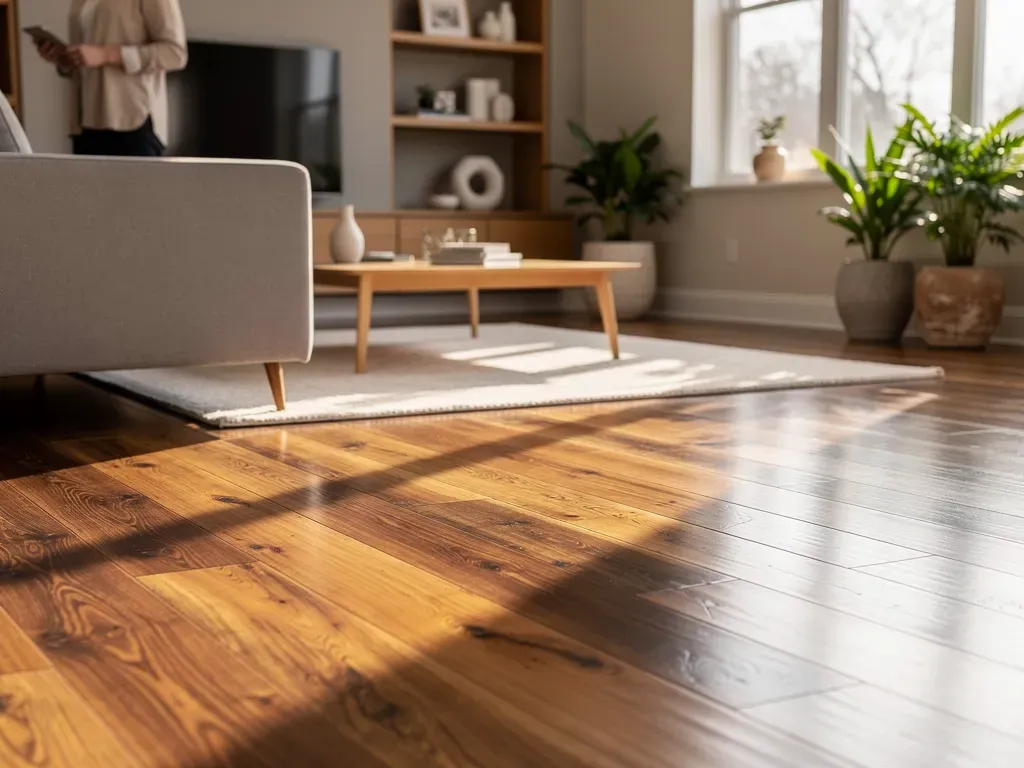
Learning how to clean and maintain hardwood floors properly doesn't require complicated routines. All it takes is consistency and the right products. Daily dust mopping, weekly vacuuming, careful damp mopping, and preventative measures like furniture pads and humidity control keep floors beautiful for generations. Investing a little time each week helps homeowners avoid costly refinishing down the road, keeping hardwood floors a stunning centerpiece of the home.
By following these hardwood floor cleaning and maintenance tips, homeowners can protect their flooring investment, boost curb appeal, and enjoy naturally beautiful floors for years to come.
Homeowners whose hardwood floors need professional attention, or who are ready to explore new flooring options, can count on Tally Alley Southern Carpets. Reach the team at 903-838-4771, visit them at 60 Sherwood Dr, Nash, TX 75569, or learn more at tallyalleycarpets.com.

