
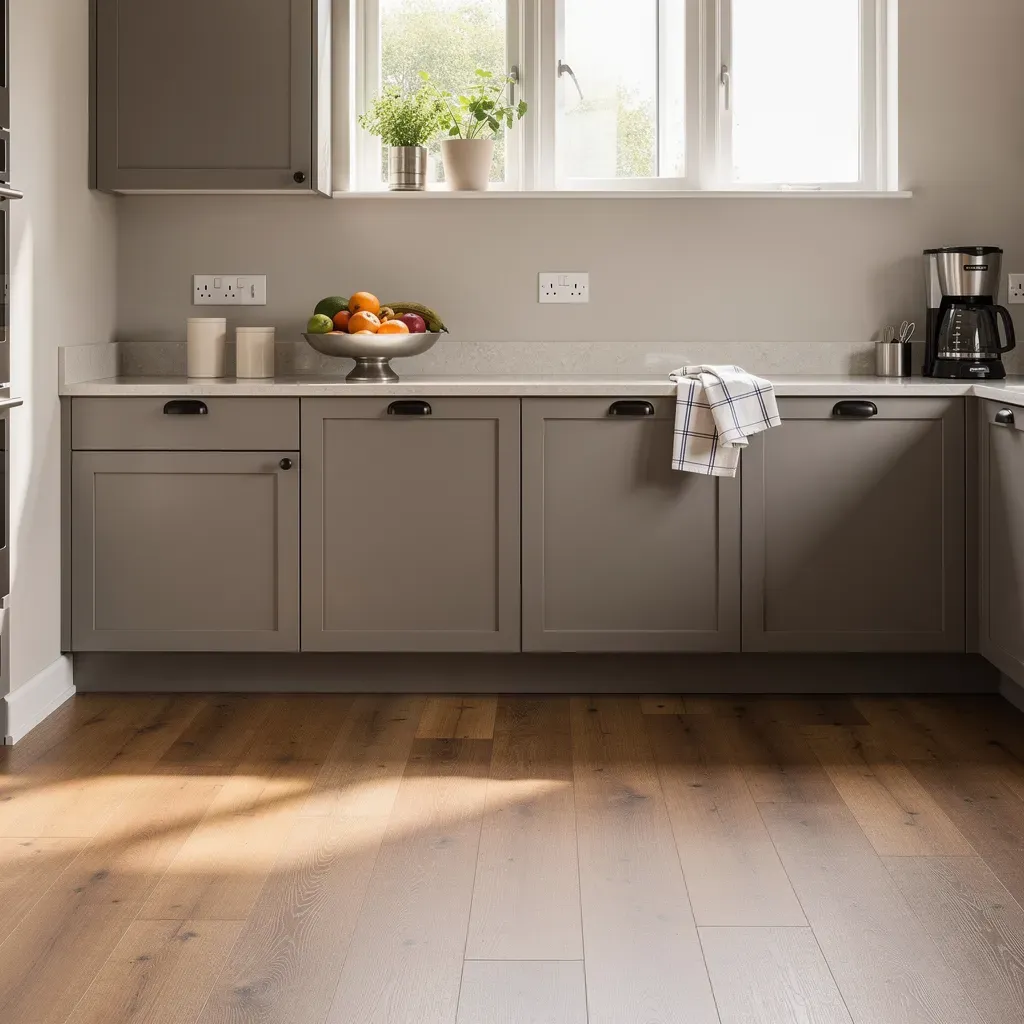
The Rule of Three: Balancing Floor, Cabinet, and Counter Tones in Any Room
The Rule of Three: Balancing Floor, Cabinet, and Counter Tones in Any Room
If you've ever stood in a kitchen or bathroom showroom feeling paralyzed by flooring samples, cabinet finishes, and countertop swatches, you're not alone. Choosing a cohesive color palette for your home is one of the most common pain points in interior design. It is also one of the easiest to solve once you understand a simple design principle professionals rely on: the Rule of Three.
Tally Alley Southern Carpets works with homeowners throughout Nash, TX and the surrounding area on exactly this kind of decision, offering carpet, hardwood, vinyl, and tile flooring alongside the guidance needed to pair it with cabinetry and countertops. Because the team sees these palette decisions play out across hundreds of homes, they can point out undertone clashes before they become expensive mistakes and help homeowners apply the Rule of Three with confidence from the very first flooring sample.
What Is the Rule of Three in Interior Design?
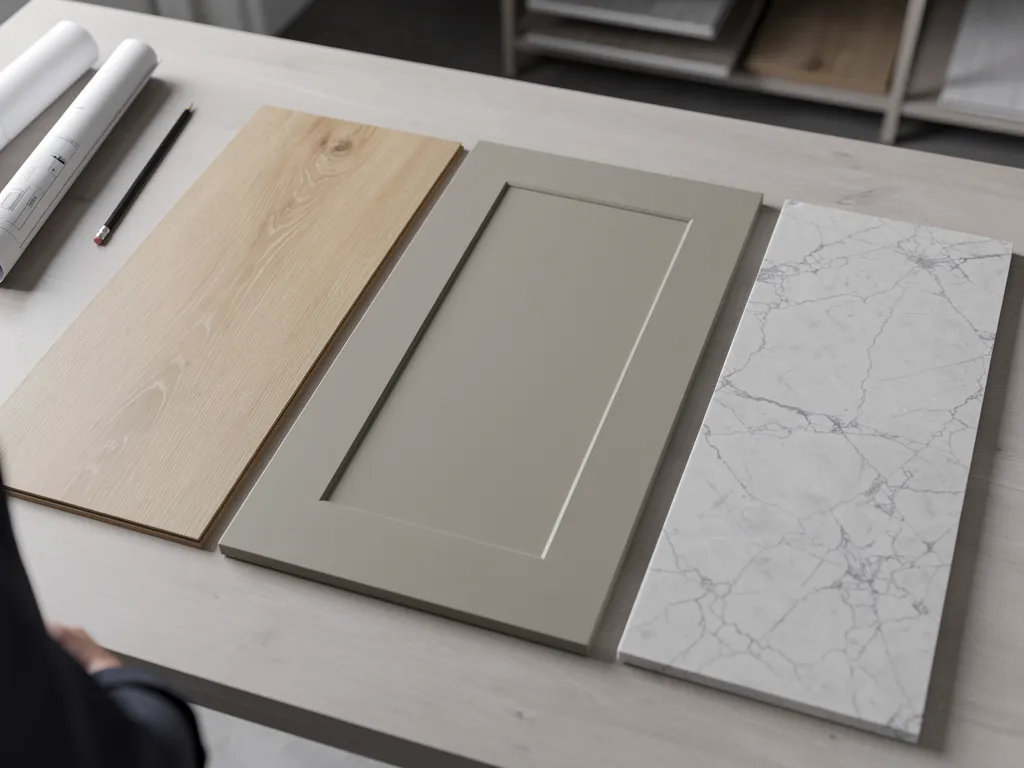
The Rule of Three is a color balancing technique that treats your floor, cabinetry, and countertops as a single connected system rather than three separate decisions. Instead of picking each surface in isolation, you choose one dominant tone, one secondary tone, and one accent tone that work together across all three elements, matching floor, cabinet, and countertop colors so the whole room reads as one decision. The result is a kitchen color scheme or bathroom palette that feels intentional, not accidental. Tally Alley Southern Carpets guides homeowners through exactly this kind of decision every day, helping them pair flooring with cabinetry and countertops that were clearly chosen together.
This approach borrows from a classic design ratio: roughly 60% dominant tone, 30% secondary tone, and 10% accent. Applied to a kitchen, that might mean 60% neutral flooring, 30% cabinetry in a complementary shade, and 10% countertop veining or backsplash tile that ties the two together. The specific percentages matter less than the underlying idea. Visual weight should be distributed, not evenly split three ways.
Why Matching Floor, Cabinet, and Counter Tones Matters
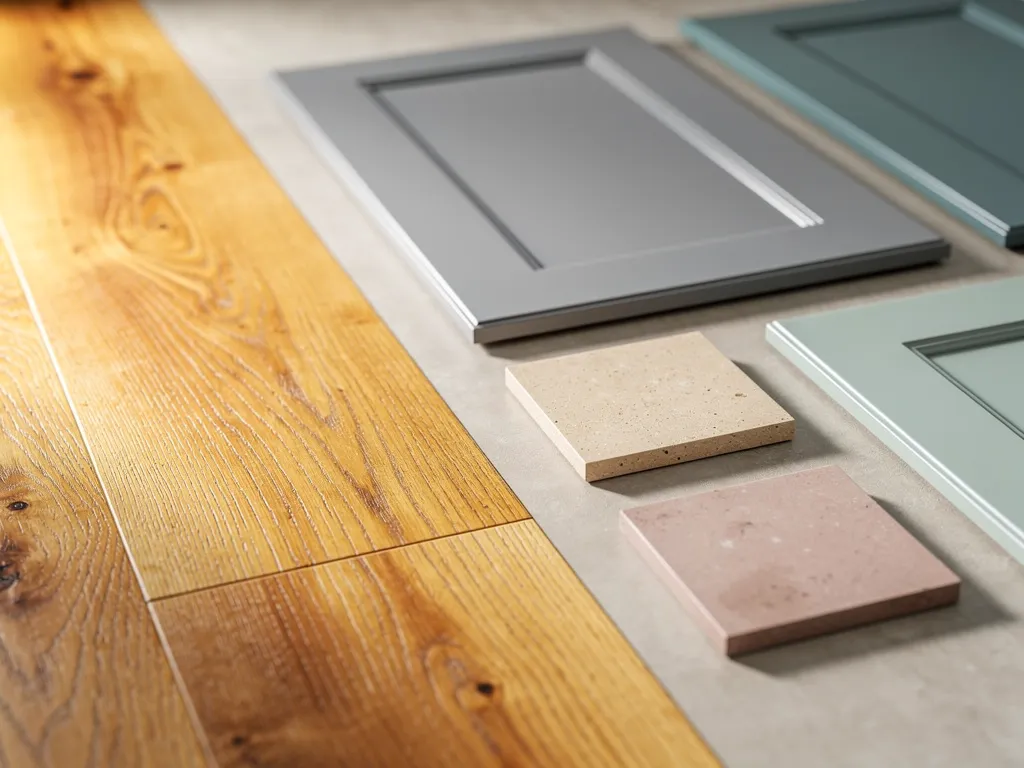
A room with mismatched undertones such as, warm honey-oak flooring paired with cool gray cabinets and beige countertops, can feel visually chaotic even if each material is beautiful on its own. This is one of the most common kitchen renovation mistakes homeowners make, and it's often the reason a newly remodeled space still feels "off" despite an expensive materials budget.
Undertone mismatches happen because materials are usually chosen at different stages of a project, often from different suppliers, without being viewed side by side. Flooring might get selected months before cabinet doors, and countertops are frequently the very last decision. By the time everything is installed, the undertones fight each other under natural and artificial light alike.
Step 1: Identify Your Dominant Undertone
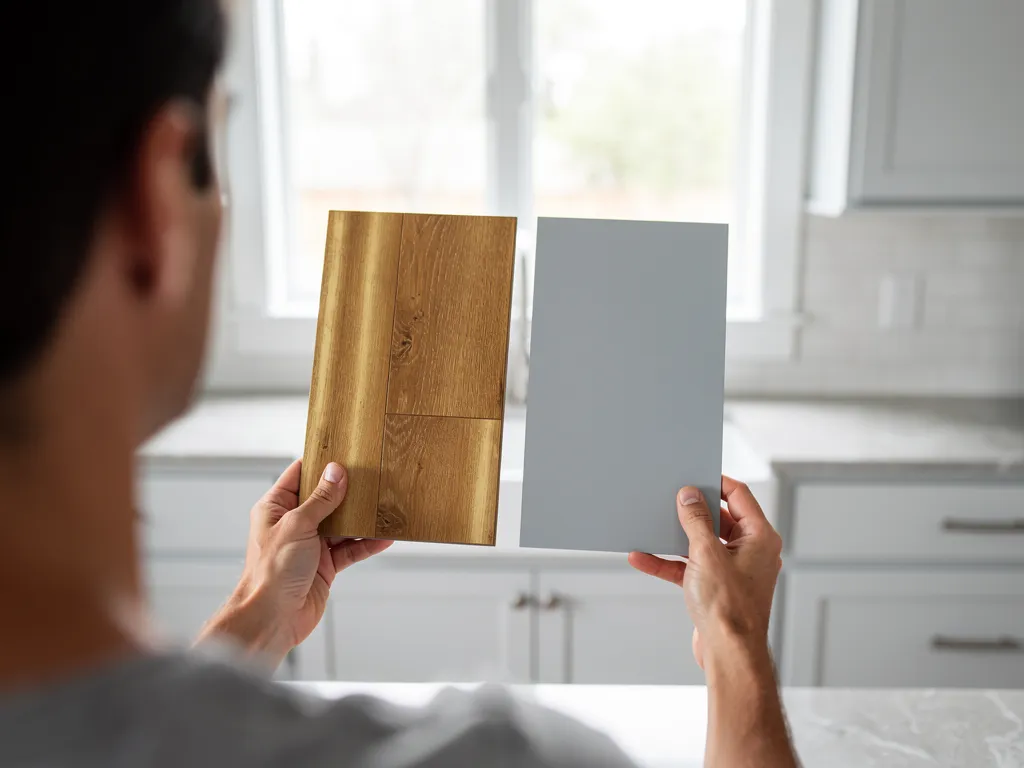
Before comparing samples, determine whether your existing or planned materials lean warm (yellow, orange, red undertones) or cool (blue, gray, green undertones). Wood flooring, for example, can range from warm amber to cool gray-brown depending on species and stain. Natural stone and quartz countertops carry their own undertones too. Even a "white" quartz can have subtle warm or cool veining.
A simple trick used by design professionals for undertone matching flooring and cabinets: lay your flooring sample, cabinet door sample, and countertop slab next to each other in the actual room, under the room's real lighting, at different times of day. Photos taken in natural daylight often reveal undertone clashes that showroom lighting hides.
Step 2: Choose Your Anchor Material
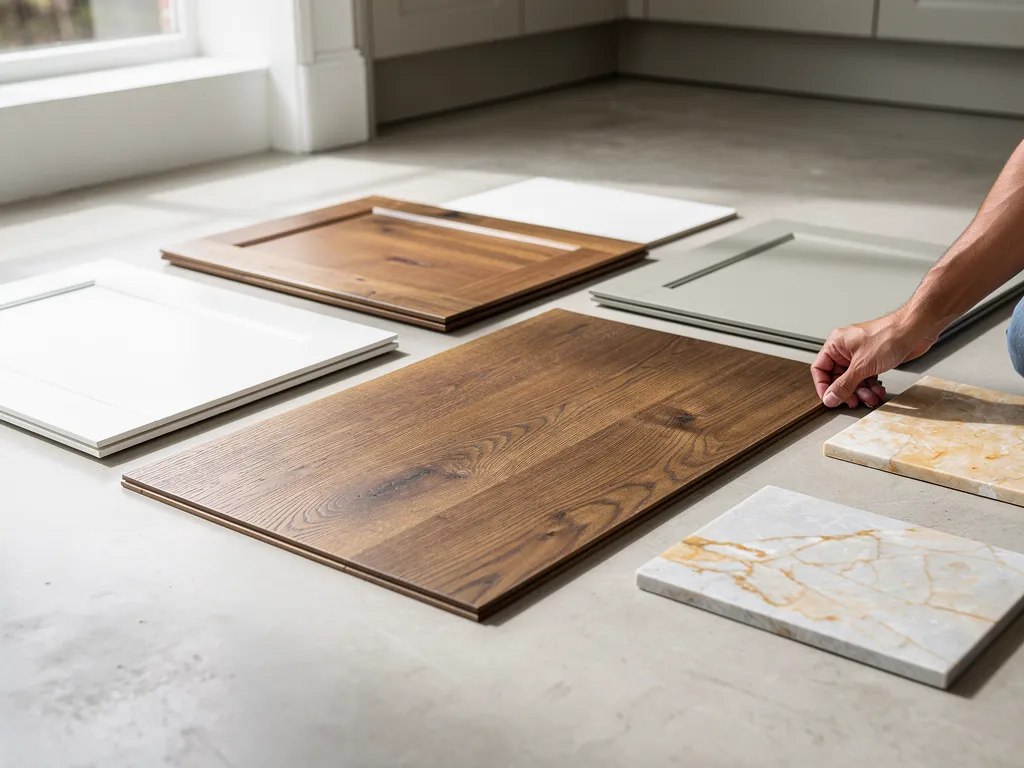
Most designers recommend anchoring your palette around the hardest-to-change surface. This is most typically flooring, since it's the most expensive and disruptive to replace. Once your flooring tone is locked in, cabinetry and countertops become easier decisions because you're now matching two elements to one, rather than balancing three unknowns simultaneously.
If you're working on a kitchen remodel on a budget, this sequencing also protects your wallet: it prevents costly do-overs where a countertop that looked perfect in the showroom clashes with flooring once installed.
Step 3: Layer in Contrast Intentionally
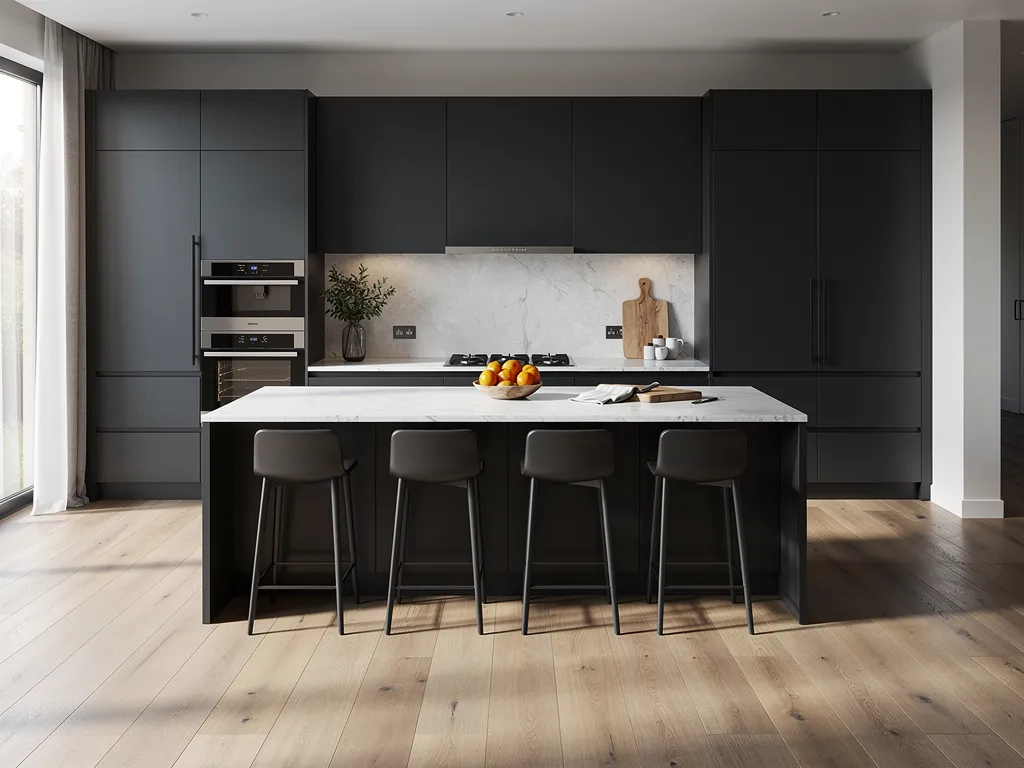
The Rule of Three isn't about matching everything exactly. Doing that can produce a flat, monotonous look. Instead, aim for tonal contrast with undertone harmony. A popular formula in modern kitchen design:
- Light floors + dark cabinets + light or veined countertops — a high-contrast look that feels current and makes cabinetry the visual anchor.
- Mid-tone floors + light cabinets + mid-tone countertops — a softer, more traditional palette that reads warm and inviting.
- Dark floors + light cabinets + dark or bold countertops — a dramatic, high-end aesthetic often seen in luxury kitchen design.
Each of these combinations still respects the same undertone family (warm-with-warm or cool-with-cool), which is the real key to cohesion. Not matching lightness or darkness exactly.
Applying the Rule of Three Beyond the Kitchen
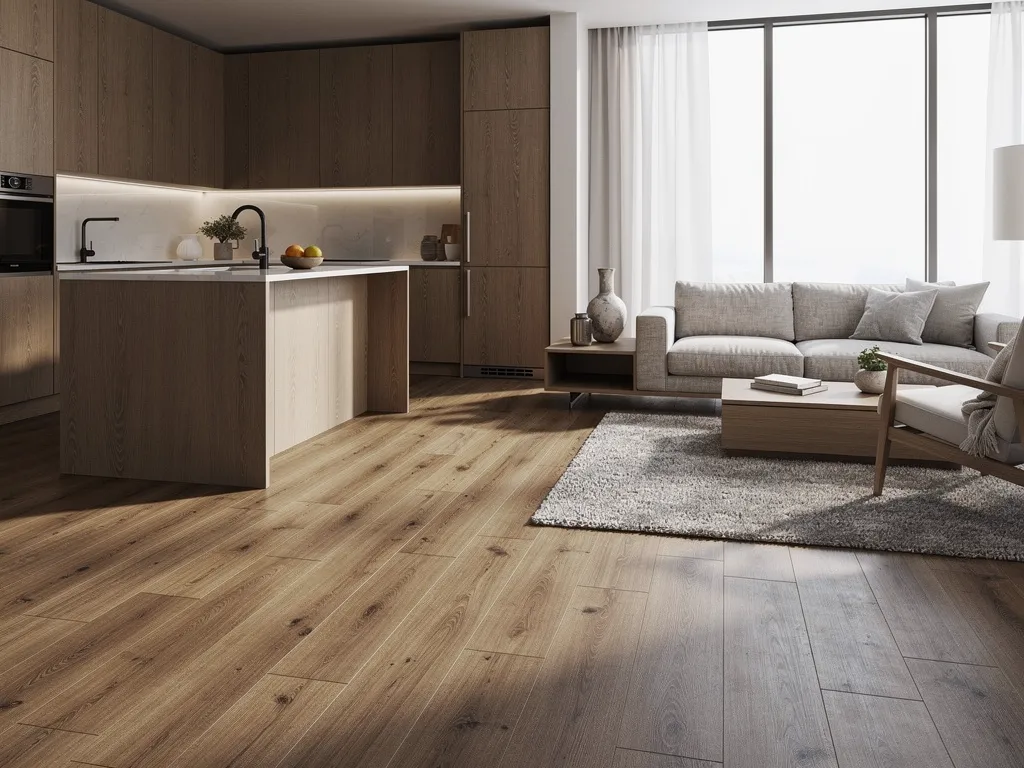
While this principle is most often discussed in kitchen design, it applies equally to bathroom remodel color schemes, laundry rooms, and open-concept living spaces where flooring flows between zones. In a bathroom, think of tile flooring, vanity cabinetry, and countertop or shower surround as your three surfaces. The same 60-30-10 logic and undertone-matching process applies directly.
For open floor plans, the Rule of Three can even extend room to room: if your kitchen flooring continues into a living area, your cabinetry undertone should harmonize with nearby furniture wood tones, not just the countertop.
Common Questions About Coordinating Kitchen Tones

Do floors and cabinets need to match exactly? No and they shouldn't. Matching undertones (both warm or both cool) matters far more than matching exact shades. Some contrast between floor and cabinet tone actually creates visual depth.
What if I already have flooring and I'm only replacing countertops? Bring a physical flooring sample or a well-lit photo to the countertop showroom. Comparing swatches from memory is one of the leading causes of undertone mismatches in partial renovations.
Are neutral palettes always the safest choice? Neutrals are lower-risk, but "neutral" doesn't mean undertone-free. Greige, taupe, and off-white all skew warm or cool depending on their base pigments, so the same matching principles still apply.
Can warm wood flooring work with cooler-toned countertops? It can, but it takes a bit more care. The safest approach is to keep the dominant surfaces, flooring and cabinetry, in the same undertone family, then let a cooler countertop act as the accent tone rather than fighting for equal visual weight.
Does the type of lighting in a room change how undertones read? Yes. Natural daylight, warm incandescent bulbs, and cool LED fixtures can all shift how the same material looks. That's why comparing samples under the room's actual lighting, at different times of day, gives a far more reliable read than judging them under showroom lighting alone.
Final Thoughts
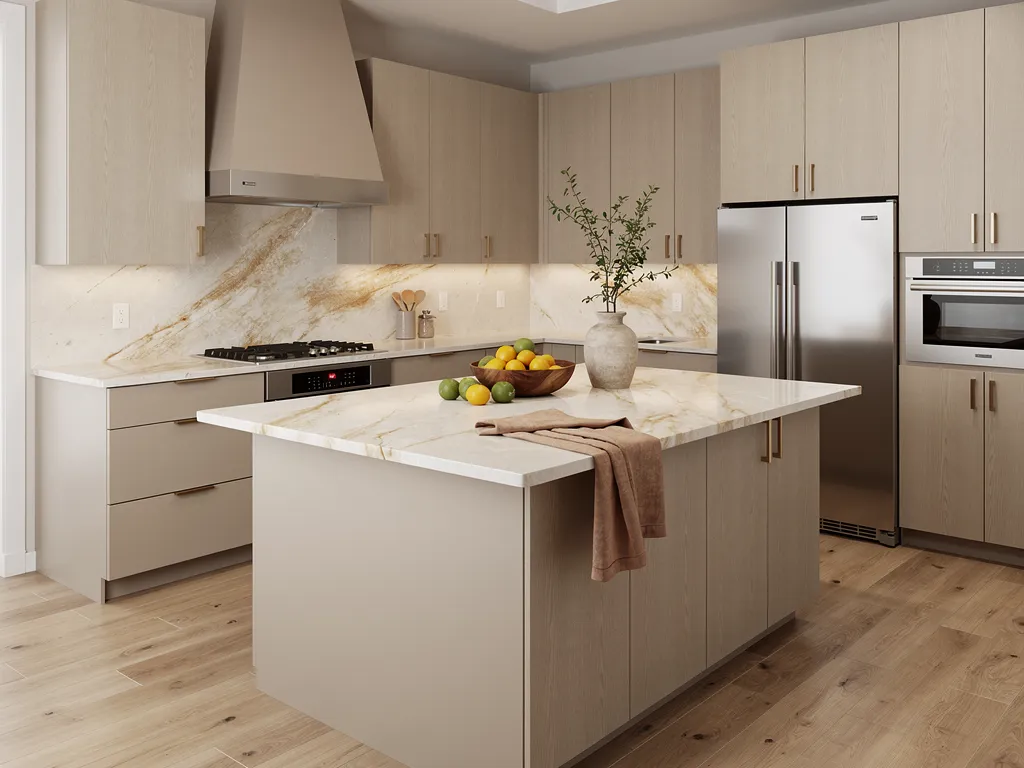
The Rule of Three turns an overwhelming design decision into a manageable, sequential process: identify your undertone, anchor your palette to your hardest-to-change surface, then layer in contrast with intention. Whether you're planning a full kitchen renovation or swapping a single countertop, this framework helps ensure your floor, cabinet, and countertop color combinations feel like they were designed together.
Tally Alley Southern Carpets works with homeowners throughout the process, helping coordinate flooring, cabinetry, and countertop tones so the final result feels cohesive rather than accidental. To discuss a project or see samples in person, reach Tally Alley Southern Carpets at 903-838-4771, visit the showroom at 60 Sherwood Dr, Nash, TX 75569, or learn more at tallyalleycarpets.com.

